Buccaneer
[ˌbʌkəˈnɪr]Meaning
a pirate or privateer of the Caribbean in the 17th and 18th centuries
Background Story
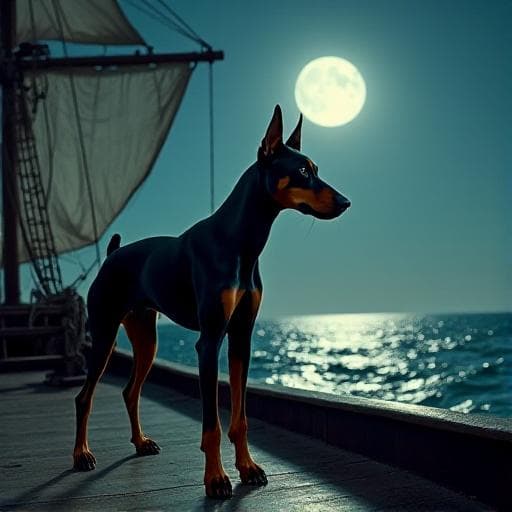
The name first applied to landless hunters of wild boars and cattle in the uninhabited areas of Tortuga and Hispaniola, who smoked their meat over a slow fire in huts the French called boucans. It was later applied to the corsairs and privateers who preyed on Spanish shipping and settlements, also known as the Brethren of the Coast.
Temperament
Related Names
Bowser
The name of Mario's nemesis, a monstrous turtle, in the Super Mario games
Bronco
English word for a bucking horse, male or female
Grizz
Short for grizzly bear, symbolizing strength and bravery
Bandido
Spanish for 'bandit' or 'outlaw'
Bandit
A person who commits robbery as part of a group; from the word for banditry
Barker
An English surname meaning "a tanner of leather"
Baskerville
Derived from a place name, meaning 'town of the badgers'
Beasto
Bently
A variant spelling of Bentley
Beowulf
A hero in Old English literature known for his strength and bravery